Wearables in real life

This page shares real stories of people who already owned fitness wearables but felt lost in the data. We show where they started, what they learned, and how small changes in how they used their devices shifted daily routines.

See how


Case studies from different starting points

These case studies show what happens when people stop chasing perfect scores and start asking better questions about their wearable data. Different ages, fitness levels, and work patterns, but the same pattern: confusion first, then a clearer understanding of which metrics matter, and finally a few small, sustainable changes. None of these stories replace medical advice, and results may vary, yet they illustrate how calmer, more informed use of wearables can support long term habits.
Office worker checking smartwatch while sitting at desk
Busy professional

Maria, Oslo manager

Maria is a project manager in Oslo who sat most of the day and tried to make up for it with intense evening workouts. Her watch constantly warned about low recovery and poor sleep, but she did not know what to adjust. Together we walked through our Measure, Map, Act method. She learned which heart rate and sleep metrics to check, turned off most alerts, and added short movement breaks during work. Instead of chasing streaks, she now uses her wearable as a quiet reference point for balancing workload, training, and rest over the week. Consult your physician before use.
Runner by the sea checking fitness watch after a run
Recreational athlete

Lars, weekend runner

Lars is a recreational runner from Bergen who loved collecting data but kept pushing through every warning his device showed. He wanted to understand which numbers signaled that it might be wise to ease back. Through structured reviews of his training history, sleep trends, and resting heart rate, he learned to spot patterns that suggested fatigue. He adjusted his training plan, added easier days, and started using his wearable to support decisions instead of prove toughness. He now treats low recovery scores as a conversation starter, not a command. Results may vary. Consult your physician before use.

From confusing graphs to everyday health decisions

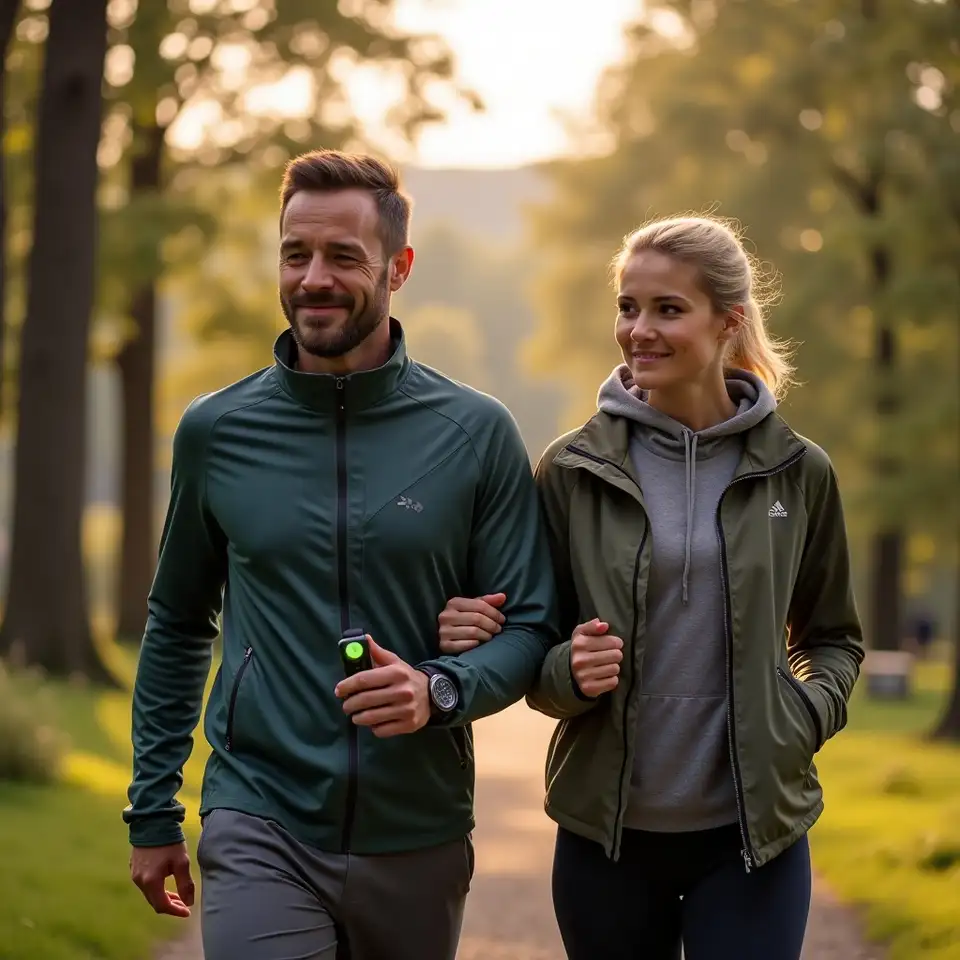
Two adults checking fitness wearables during a walk

Voices from the field

Real reflections from people who shifted how they relate to their wearables and daily health decisions. Results may vary.

Calmer now

"My watch stopped shouting and started helping"

"I used to wake up, glance at my watch, and instantly feel behind. Low recovery, bad sleep, not enough steps yesterday. After walking through the metrics with the Tarencalia team, I finally understood which numbers were worth my attention. We cut most notifications, focused on sleep consistency and a few movement breaks, and used the data to test small changes. I still have busy weeks and messy nights, but the device feels like a quiet assistant instead of a constant critic. Consult your physician before use. Results may vary."
Less alert fatigue Clearer priorities More honest rest
Maria L.
Project manager, Oslo, Tech firm
More balance

"Data became a guide, not a dare"

"I used to treat every warning on my wearable as a challenge. Low readiness score meant pushing harder to prove it wrong. With Tarencalia, we looked at several months of training, sleep, and resting heart rate and noticed I was ignoring early signs of fatigue. Now I use those same numbers to decide when to slow down or swap a run for a walk. The shift was less dramatic than I expected but far more sustainable. I still enjoy chasing progress, just with more respect for my own limits. Results may vary. Consult your physician before use."
Better pacing Fewer overreactions Clear check ins
Lars K.
Recreational runner, Bergen, Local design agency
Gentle reset

"Finally, a way to use data on night shifts"

"Working rotating shifts made my graphs look chaotic, and every app seemed to assume a nine to five routine. I felt like I was failing before I even started. The Tarencalia approach helped me accept that my patterns would look different and that this was normal for my schedule. We picked a few metrics I could track across weeks instead of days and adjusted targets around my shifts. I still have tired stretches, but I no longer panic every time the app flashes red. It feels like the device finally understands my reality, at least a little. Results may vary. Consult your physician before use."
Realistic goals Kinder self talk Better boundaries
Anne S.
Shift worker, Trondheim, Healthcare sector

Patterns we see across many wearable journeys

Many

People who came in feeling overwhelmed by health metrics
Core
Common focus areas like sleep, recovery, and daily movement
Three

Approach we use to move from raw data to actions

Several

Countries we actively monitor for health data guidance
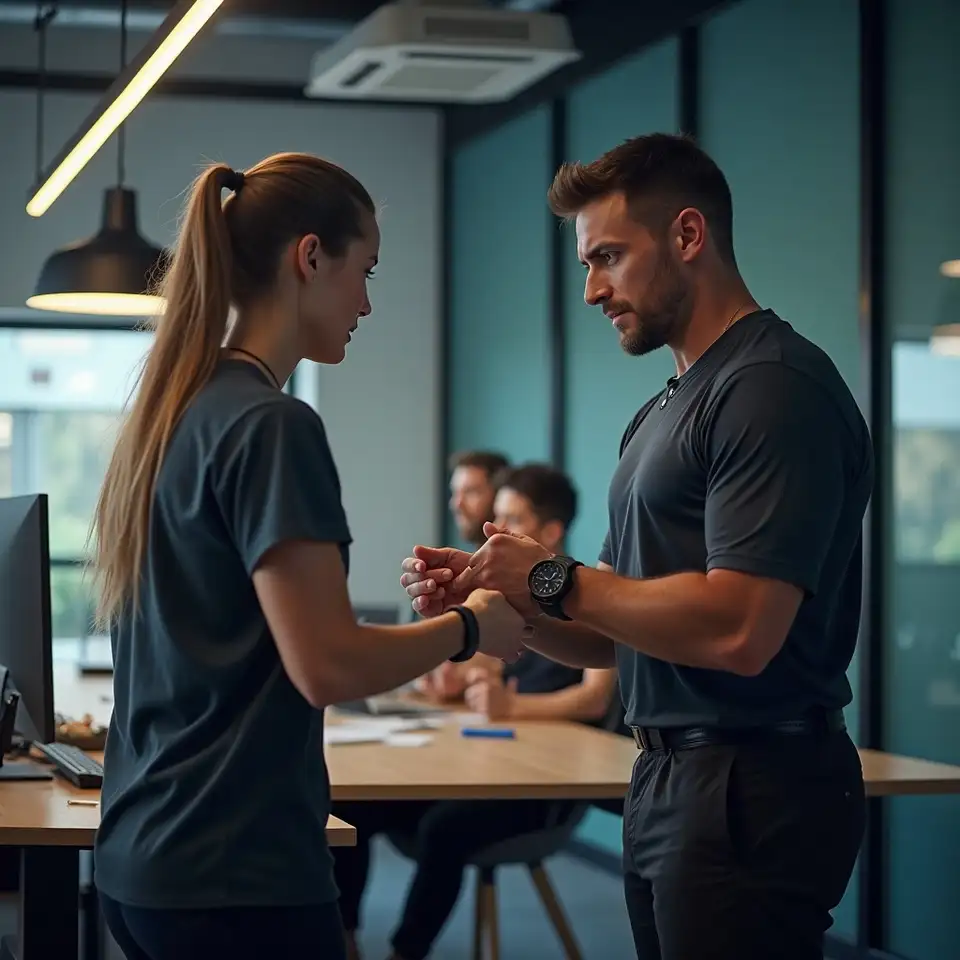
Small group discussing fitness wearable data in an office
Ready for calmer health data

Start your own wearable rethink

If these stories feel uncomfortably familiar, that is the point. Many people in Norway wear devices daily yet still feel unsure what to change when they wake up tired, see a red recovery score, or get another reminder to stand. We help teams and individuals translate that constant stream of numbers into a few clear signals and simple experiments. Together we map which metrics matter, how to respond without overreacting, and when it is time to speak with a health professional. Results may vary, and our material is never a substitute for medical advice, but it can make conversations and decisions a lot calmer.

Manage cookies

Essential only

Analytics cookies

Your cookie and analytics choices

We use essential cookies to run this site and optional analytics to understand how people use our fitness wearable content. You can change your choices at any time in your settings.