-
2019
Idea sparks
The idea for Tarencalia took shape after countless conversations with friends and colleagues who wore trackers daily yet felt more confused than informed about their own health data.
-
2020
Method built
We began mapping common wearable metrics to simple explanations, drafted the first version of our Measure, Map, Act method, and tested it with a small group of volunteers in Norway.
-
2022
Tools refined
We expanded our research across different brands and devices, refined our checklists for activity, sleep, and heart rate, and started sharing our findings with organizations.
-
2024
Tarencalia launched
We launched Tarencalia as a dedicated resource for people and teams who wanted calm, structured guidance on using fitness wearables without turning health into another performance contest.
-
2026
Focus deepened
We updated our materials to reflect newer wearable features, tightened our focus on privacy awareness, and deepened our support for workplace wellness initiatives across Norway.
How we think about health data and fitness wearables
Using technology as a calm health partner
We see technology as a tool that should quietly support health, not dictate it. Wearables can nudge, remind, and measure, but they should not replace body awareness or medical advice. We focus on using data to ask better questions, not to chase perfect numbers. When tech feels like a coach in your pocket instead of a critic on your wrist, it becomes easier to build habits that last.
Evidence first, then everyday decisions
We base our explanations on published research, exercise physiology, and sleep science, then translate that into practical guidance. Our internal method, which we call Measure, Map, Act, helps people move from raw data to small, specific steps. First we clarify what a metric means, then we map it to daily routines, and finally we suggest actions that can be tested and adjusted over time.
Wearables that fit real bodies and lives
We design our material so it works for people who sit at a desk, work shifts, or train seriously. Fitness levels, body types, and schedules vary widely, so the way we use wearables should vary too. Instead of one ideal routine, we offer options and examples that can be shaped around different lives. Our goal is to make health tracking feel flexible, not strict.
Curious, skeptical, and safety minded
We encourage people to stay curious and skeptical at the same time. Curious enough to explore new metrics and patterns, skeptical enough to question bold claims or dramatic graphs. That balance helps prevent overreacting to single nights of poor sleep or one intense workout. It also supports safer conversations with health professionals when data raises concerns.
Data that supports human conversations
What guides how we work at Tarencalia
Our values keep us honest when new devices launch, bold claims appear, or metrics are renamed. They remind us to slow down, check the evidence, and protect the people behind the data. By holding to clarity, context, privacy, adaptation, habit focus, and balanced curiosity, we keep wearable technology in its proper place: a useful tool, not the whole story.
Radical clarity
We treat clarity as a form of care. That means stripping away jargon, unexplained acronyms, and vague claims until only the essential ideas remain. When we describe metrics like resting heart rate or sleep stages, we focus on what they can reasonably suggest and where their limits are. Clear explanations help people notice patterns without panic, and they make it easier to talk with health professionals when needed.
Science with context
Every explanation we share starts with a question: what does current research and established practice say about this metric. We read widely, compare perspectives, and then translate the common ground into straightforward guidance. We also highlight where science is still uncertain, so people know when to treat a number as a gentle hint rather than a firm answer. This protects against overconfidence in any single device or graph.
Privacy awareness
Health data is personal, so we keep privacy at the center of our work. We encourage people to review settings, understand permissions, and think carefully about which platforms they connect. When we discuss sharing data with workplaces or apps, we talk openly about boundaries and consent. Our aim is not to scare anyone away from wearables, but to make sure they understand the trade offs before syncing another stream of information.
Continuous adaptation
We recognize that devices change, metrics get renamed, and algorithms are updated. Instead of chasing every feature, we track the shifts that affect how people interpret their own information. When something important changes, we revisit our examples and frameworks. This steady maintenance work keeps our material relevant and prevents older explanations from quietly drifting out of date while still being used.
Long term habits
We care more about long term patterns than about single days of perfect behavior. Our guidance encourages small, sustainable changes that can fit around real responsibilities, not ideal schedules. That might mean adding short walks, adjusting evening routines, or rethinking how training and recovery alternate. Wearables become tools for noticing these shifts over time, not scorekeepers for daily success or failure.
Measured curiosity
We balance curiosity about new tools with caution about bold promises. When a metric claims to measure something complex, we look at how it is calculated and what it can realistically reflect. Then we help people decide how much weight to give it in their own decision making. This balanced stance keeps enthusiasm for innovation while protecting against disappointment or misplaced trust.
The people turning graphs into real decisions

Ingrid Marie Solberg
Founder and lead wearable analyst
Focus areas
Ingrid blends a background in exercise science with years spent inside health tech teams. She focuses on how heart rate, sleep, and recovery metrics can support realistic routines for non athletes. At Tarencalia, she leads the Measure, Map, Act method and makes sure our explanations stay grounded, cautious, and genuinely useful.
Ingrid Marie Solberg
Founder and lead wearable analyst
Focus areas
Ingrid blends a background in exercise science with years spent inside health tech teams. She focuses on how heart rate, sleep, and recovery metrics can support realistic routines for non athletes. At Tarencalia, she leads the Measure, Map, Act method and makes sure our explanations stay grounded, cautious, and genuinely useful.

Jonas Emil Kristoffersen
Workplace health strategist
Focus areas
Jonas brings experience from corporate wellness and workplace health projects. He cares about how teams can use activity, posture, and sleep data without turning work into another competition. At Tarencalia, he designs frameworks that help organizations introduce wearables responsibly and communicate limits, expectations, and data boundaries clearly.
Jonas Emil Kristoffersen
Workplace health strategist
Focus areas
Jonas brings experience from corporate wellness and workplace health projects. He cares about how teams can use activity, posture, and sleep data without turning work into another competition. At Tarencalia, he designs frameworks that help organizations introduce wearables responsibly and communicate limits, expectations, and data boundaries clearly.

Sara Linnea Nilsen
Health data and metrics analyst
Focus areas
Sara is a data analyst who prefers plain language over dashboards full of filters. She spends her time checking how different devices count steps, estimate sleep, and flag recovery. At Tarencalia, she turns messy datasets into clear patterns and examples, so people can see what is normal variation and what might be worth a closer look.
Sara Linnea Nilsen
Health data and metrics analyst
Focus areas
Sara is a data analyst who prefers plain language over dashboards full of filters. She spends her time checking how different devices count steps, estimate sleep, and flag recovery. At Tarencalia, she turns messy datasets into clear patterns and examples, so people can see what is normal variation and what might be worth a closer look.

Marius Olav Andersen
User experience and behavior specialist
Focus areas
Marius has a background in human computer interaction and spends a lot of time asking why interfaces feel confusing. He reviews wearable apps, setup flows, and notification patterns with a critical eye. At Tarencalia, he pushes for designs and explanations that reduce overwhelm, so people can set up their devices once and then mostly forget about them.
Marius Olav Andersen
User experience and behavior specialist
Focus areas
Marius has a background in human computer interaction and spends a lot of time asking why interfaces feel confusing. He reviews wearable apps, setup flows, and notification patterns with a critical eye. At Tarencalia, he pushes for designs and explanations that reduce overwhelm, so people can set up their devices once and then mostly forget about them.
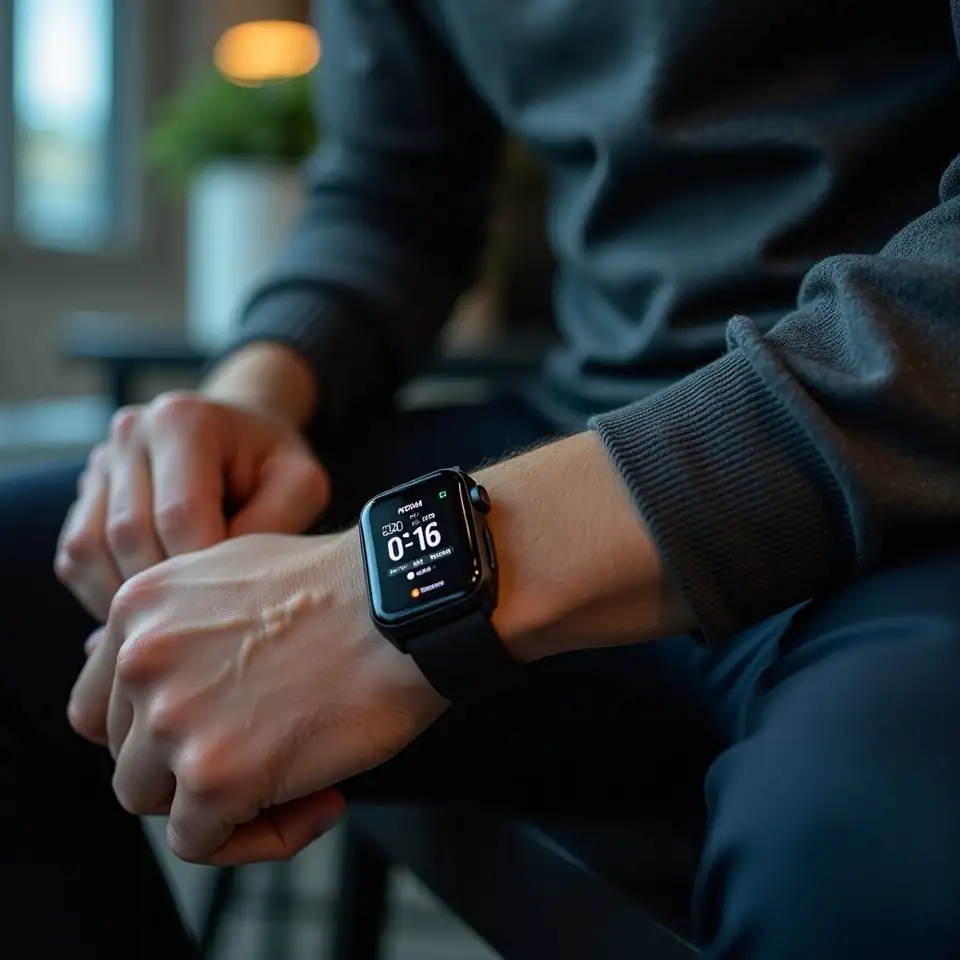
"We started Tarencalia because too many people were strapping sensors to their bodies and still had no idea what to change on Monday morning. Our job is to translate that stream of numbers into calm, realistic next steps."